
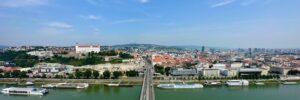
Situated along the Danube River, Bratislava — the capital of Slovakia — boasts a lovely Old Town, a thriving food scene, and a few highly unusual landmarks. With its welcoming atmosphere and affordability, Bratislava is a perfect mix of European tradition and modern vibrancy, making it an ideal destination for an authentic, off-the-beaten-path experience.
Bratislava was the third stop of our Epic Europe 2.0 Eastern European cross-country trip, and it turned out to be one of our favorites. We didn’t really have many expectations for the city, aside from what we’d read about it being safe, up-and-coming, and affordable. Though we arrived with few expectations, we left knowing it’s a place we’d certainly revisit.
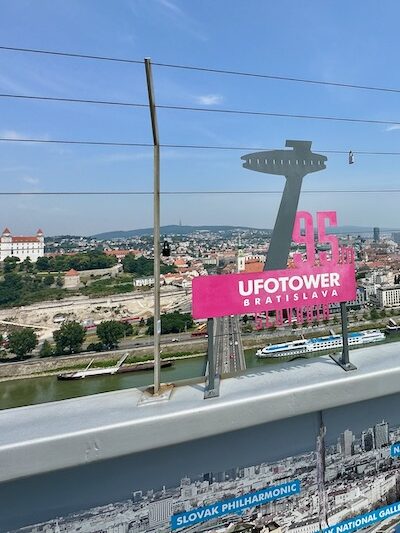
When we included Slovakia on our itinerary, I knew very little about the country and, admittedly, started with a basic internet search for “things to do in Slovakia.” It didn’t take long for Bratislava to stand out. Its location fit perfectly into our route to Croatia, and it boasted several unconventional attractions. I’d anticipated the typical cathedrals and castles common in many European cities, but was surprised by the UFO Bridge and National Wine Museum.
Itinerary Highlights:
Day 1: Cumil Statue, Blue Church, Obchodná Street, Urban House Restaurant
Day 2: Self-Guided Old Town Tour, Primate’s Palace, UFO Bridge, Dunajsky Pivovar, Slovak National Wine Museum
Day 3: Wake Lake at Zlaté Piesky
Bratislava Day 1
We arrived in Bratislava around noon and, after checking into our Airbnb, headed into the city center for a look around. One of the first things we noticed was the lack of crowds compared to Prague, from where we’d just arrived. While we expected fewer tourists, we didn’t expect the number of modern shops, restaurants, and breweries. We were eager to check them out, but wanted to visit the city’s famous Blue Church first.
Cumil — The Man in the Pavement
On the walk toward the Blue Church, we almost stepped right over one of Bratislava’s most beloved landmarks. Cumil — Slovak for “the watcher” — is a small bronze sewer worker who has been emerging from a manhole cover in the Old Town since 1997. He lies there, chin resting on folded hands, wearing his work helmet, watching the feet of passersby with a quietly delighted expression. What he’s doing isn’t explained; He could be an unmotivated worker, or he might be looking up skirts. A small “Man at Work” sign nearby was reportedly installed not in warning of construction, but in his honor.
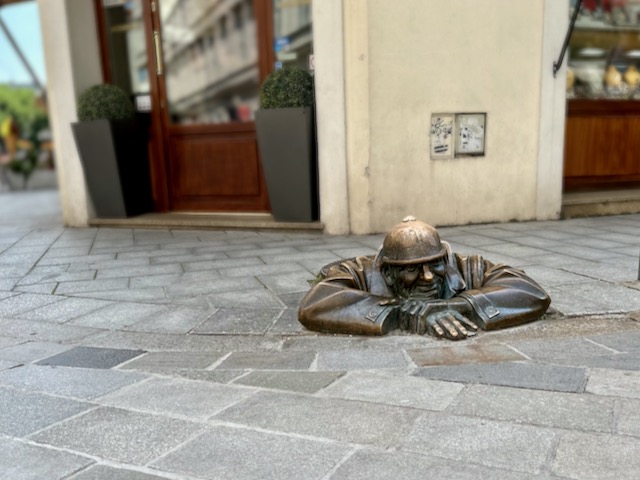
PRO TIP: Cumil is located at the corner of Laurinská and Panská streets in the Old Town — look for him at pavement level. He’s been knocked over by passing vehicles a few times over the years, so watch your step. Rubbing his head is said to bring good luck.
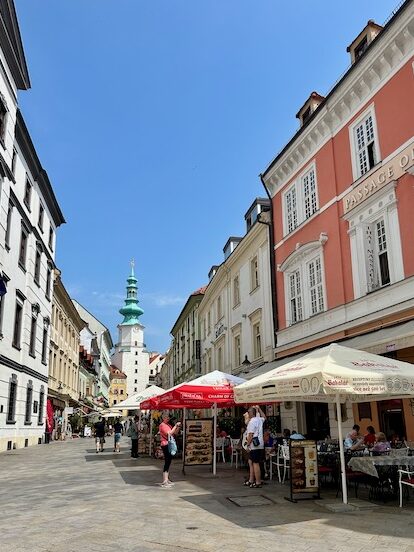
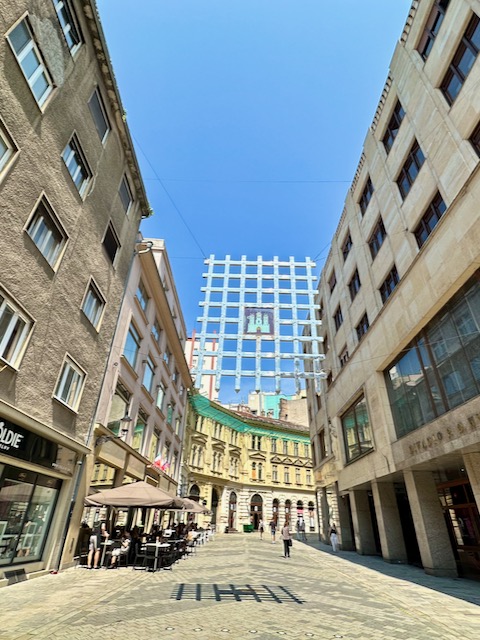
Old Town Side Streets
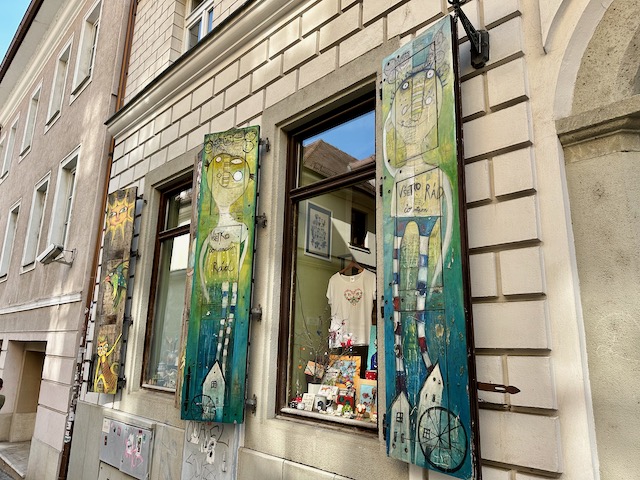
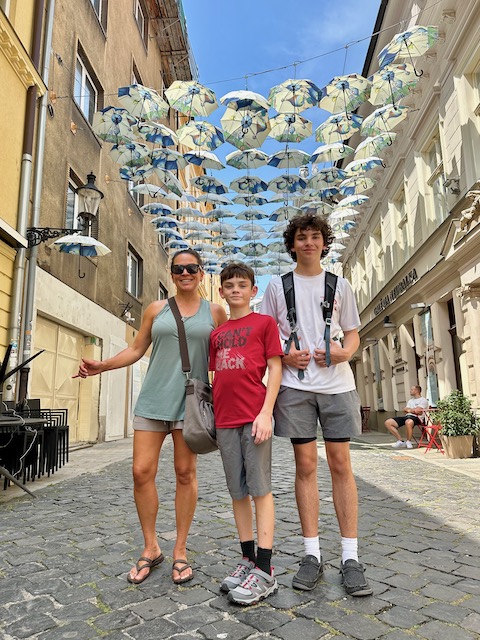
Even on the walk between stops, Bratislava delivers. The Old Town’s side streets are lined with independent shops, galleries, and small surprises. We came across a charming boutique with hand-painted shutters, a colorful umbrella street canopy, and the original site of Laurence’s Gate — a 13th-century fortification gate pulled down in 1778. It’s that kind of city.
The Blue Church
St. Elizabeth is a Hungarian Secessionist Catholic church located in the eastern part of the Old Town. It’s known for its distinctive blue façade, glazed roof, and Art Nouveau design. Associated with purity and devotion in religious symbolism, the blue coloring is attributed to St. Elizabeth of Hungary, to whom the church is dedicated. The unique color scheme carries through to the church’s interior, where robin’s-egg-colored pews and nave ornamentation are showcased. The vibrant color and decorative exterior make the tiny church a standout in the city and worthy of a quick visit. I couldn’t help but think it looked like a storybook castle.
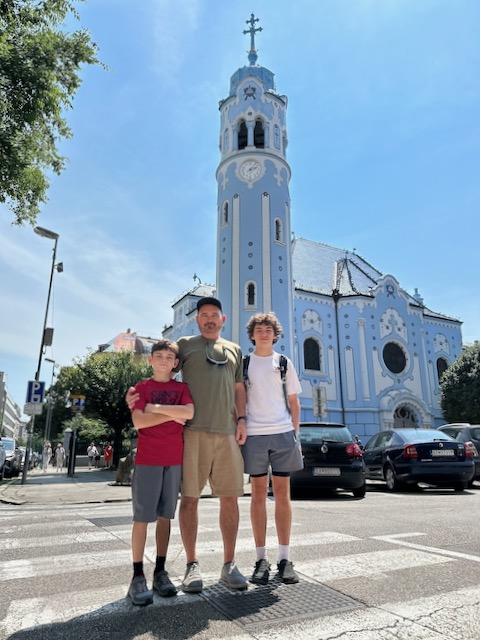
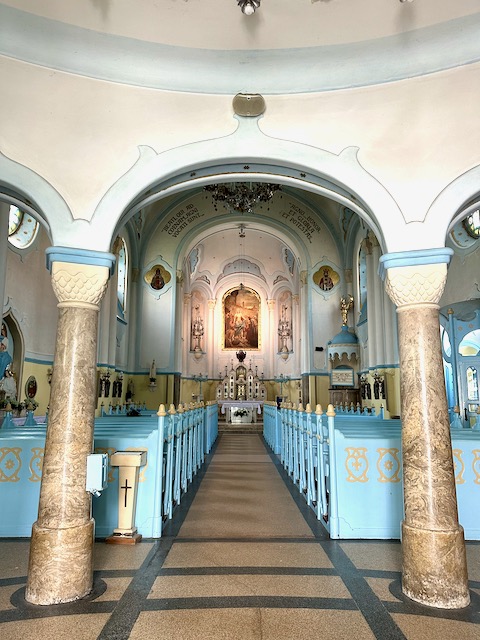
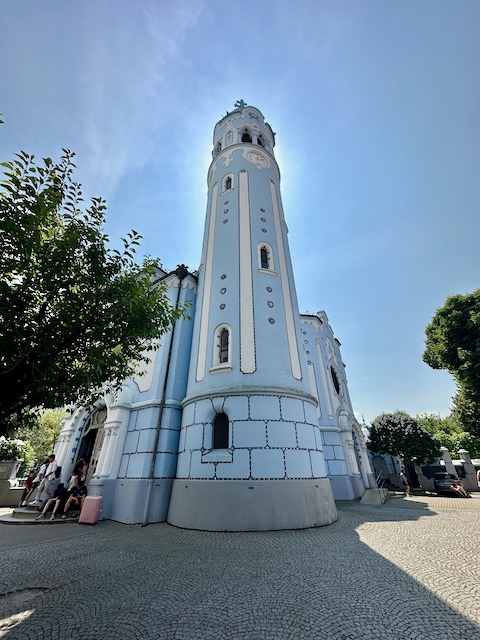
PRO TIP: The Blue Church is on Bezručova Street, about a 10-minute walk from the Old Town main square. It’s an active parish church, so check hours before visiting. Morning light hits the blue facade beautifully for photos. The interior is just as serene as the exterior — step inside if you can.
Obchodná Street
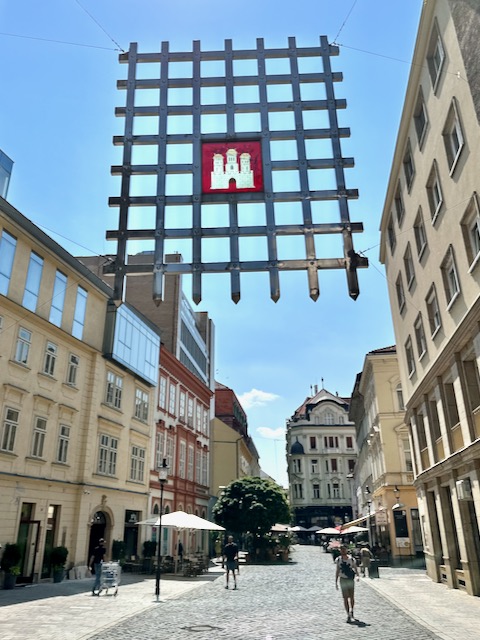
With one stop checked off our list, we headed back toward the restaurants for a late lunch. Obchodná Street is one of Bratislava’s main pedestrian thoroughfares — lined with cafés, shops, and people actually living their day. It feels genuinely alive in a way that many tourist-facing streets in bigger cities don’t. Overhead, Laurence’s Gate proudly displays Bratislava’s medieval coat of arms: a white castle tower on a red field, the same crest the city has carried since its days as a royal coronation city for the Hungarian crown.
The Urban House Restaurant immediately caught our attention. It was the ambiance — okay, maybe it was the chalkboard listing of beers — but the food menu sealed the deal.
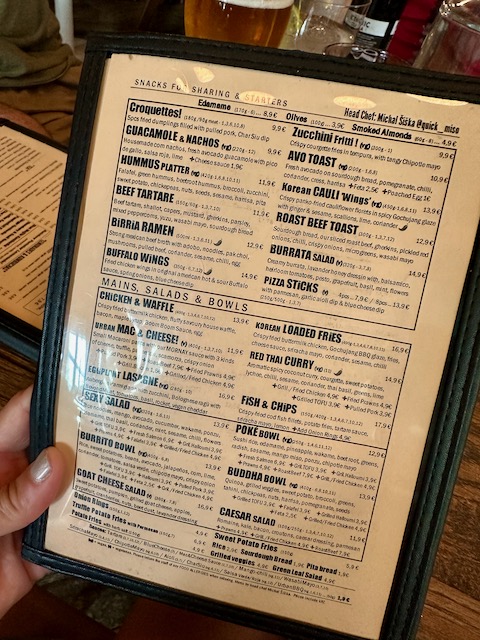
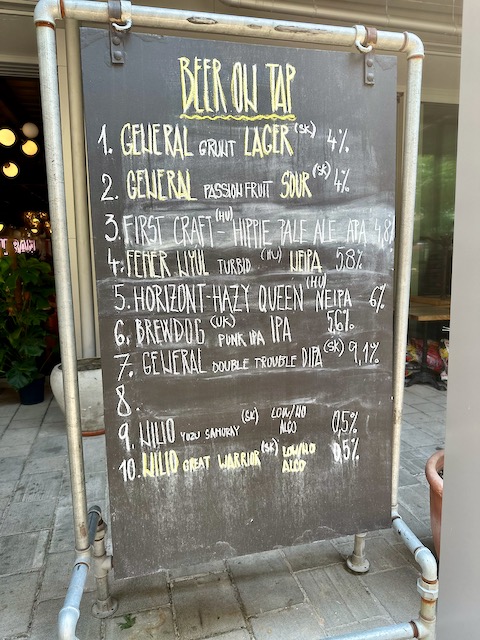
Urban House Restaurant
Macaroni and cheese with bacon, chicken and waffles — the kids were all in. The Urban House is spacious and filled with a myriad of live plants, urban artwork, and communal seating. The bar emphasizes artisan coffees, craft beers, and creative cocktails, all of which seemed equally popular with the afternoon crowd.
But the most distinctive feature of the Urban House is the bathrooms. That’s where “the real magic happens.” If it weren’t for seeing it ourselves, I don’t think anyone would believe there’s a disco in the toilets. It’s true, and it’s strangely hilarious. The food, the beer, and the bathroom disco — Urban House earns a return visit on our next trip.
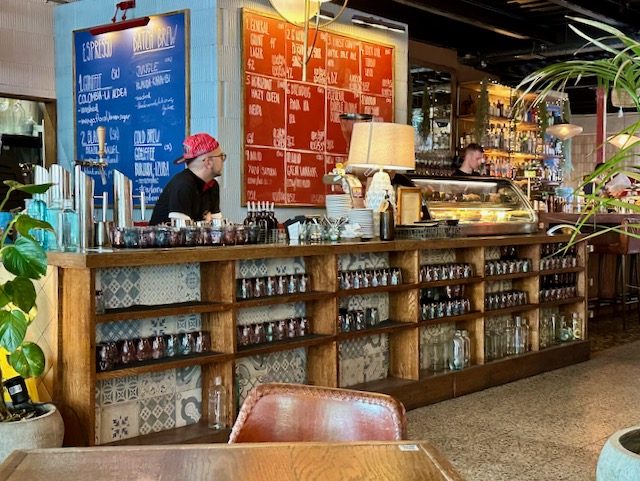
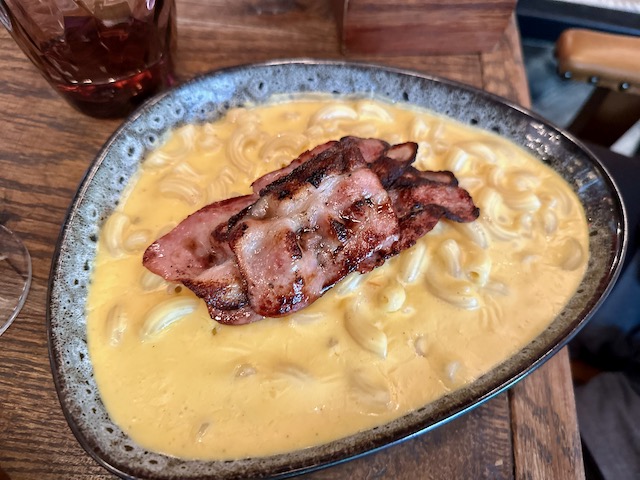
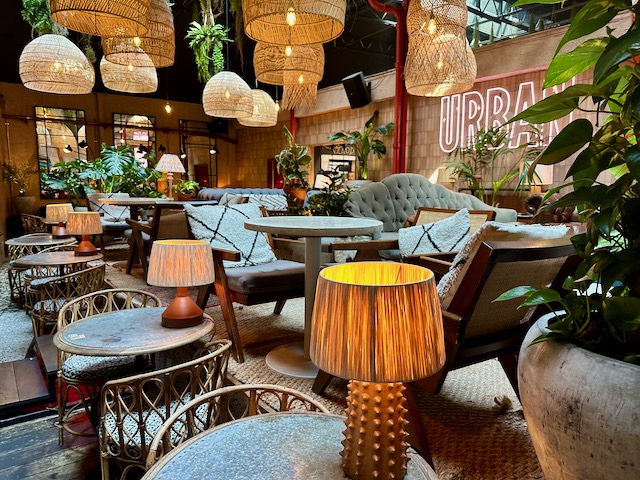
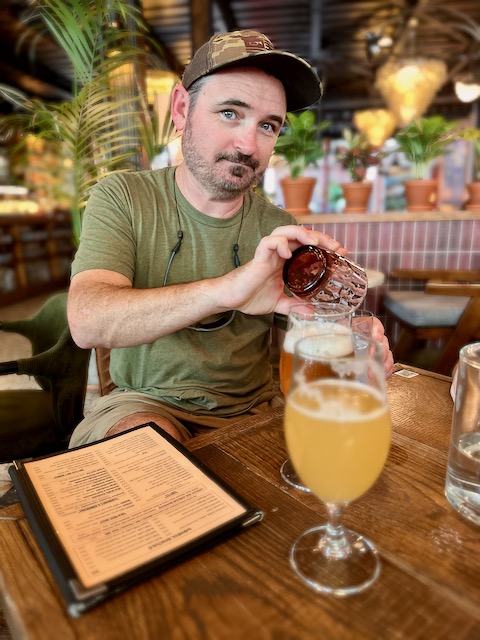
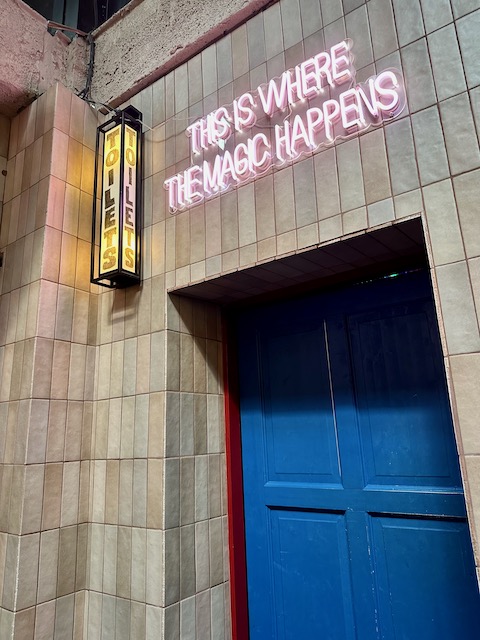
PRO TIP: Urban House is centrally located in the Old Town and is a great spot for lunch or dinner. The menu skews eclectic — Korean loaded fries alongside traditional Central European dishes — and the craft beer selection is excellent. Just be sure to use the bathroom. You’ll understand.
After a much-needed and much-enjoyed lunch, we headed back to our Airbnb for a restful evening — stopping for ice cream along the way. Bratislava has a way of making the walk back as good as the walk out.
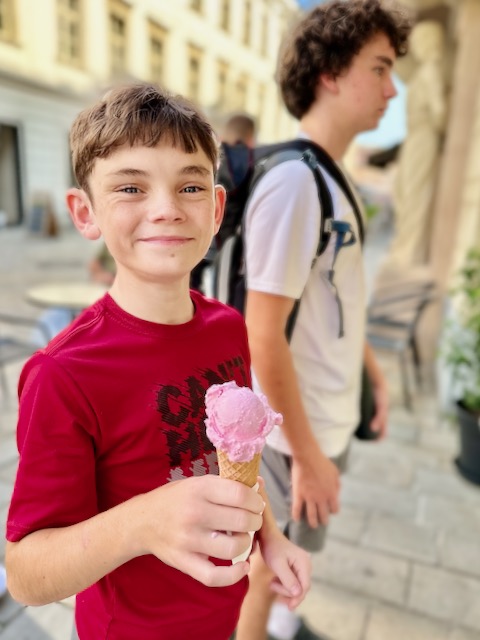
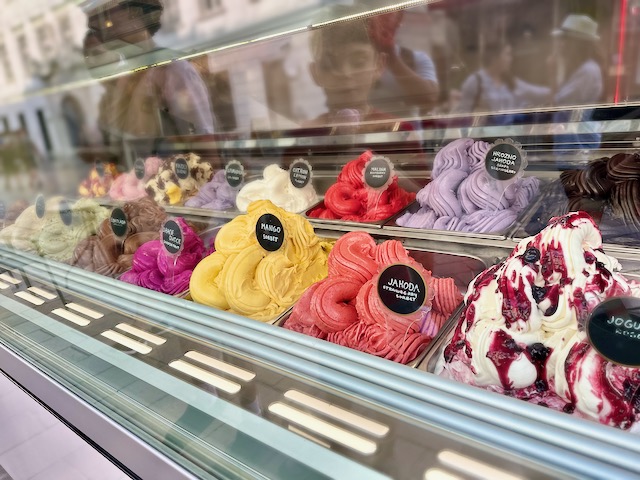
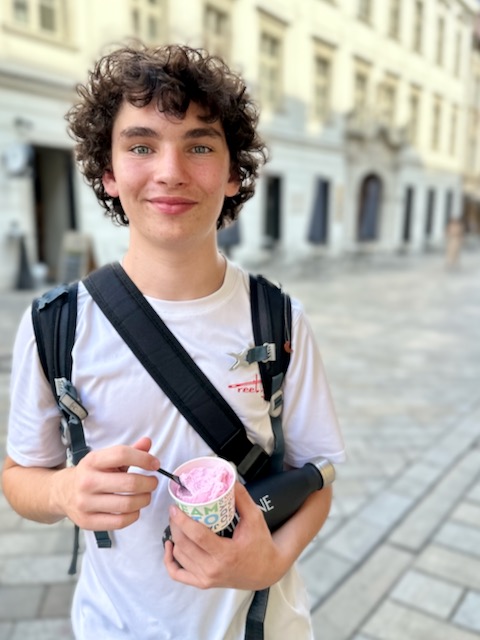
PRO TIP: For ice cream, look for shops advertising “zmrzlina” (Slovak/Czech for ice cream) throughout the Old Town pedestrian zone. A scoop typically costs under €2 — one of many reminders that Bratislava is noticeably more affordable than Vienna or Prague for comparable quality.
Bratislava Day 2
Self-Guided Old Town Tour
We took our time leaving the Airbnb on Day Two — we hadn’t slept much. The apartment listed air conditioning as an amenity, but only had a mini-split to cool the entire flat. It didn’t come close. It was too hot to sleep.
After a simple breakfast of eggs and toast, we headed back to Old Town for a self-guided tour. Before arriving, I downloaded the app GPSmyCity, which turns your phone into a personal tour guide. You won’t need cellular data, since it works offline. The descriptions aren’t super in-depth, but they’re enough to understand the significance of the included landmarks. We were leisurely in our tour, taking time to appreciate the city’s relaxed atmosphere.
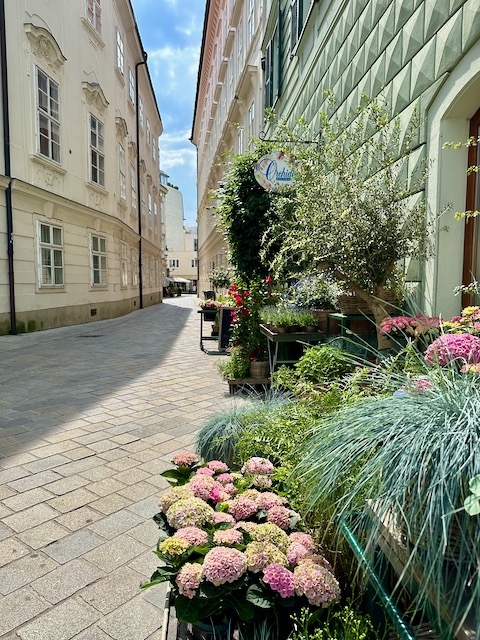
Flowers and Napoleon
Tucked into a quiet lane, a florist had spilled hydrangeas and trailing greenery onto the cobblestones in a way that felt completely unposed. A few corners later, we ran into Napoleon.
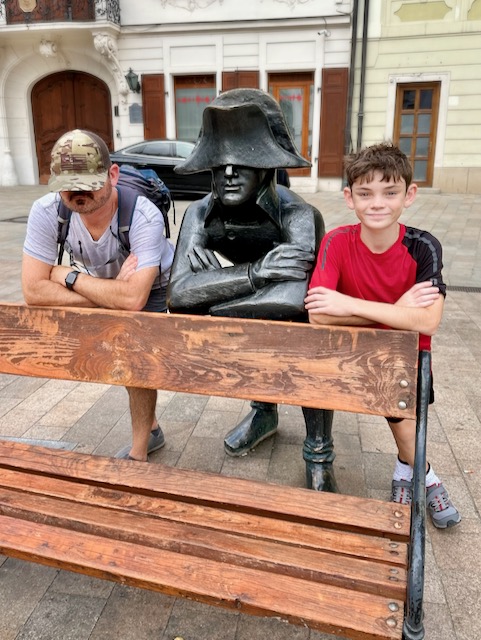
Bratislava has a complicated relationship with Napoleon Bonaparte — he rode into the city in December 1805 after his victory at Austerlitz and there, right here, he dictated one of the most consequential peace treaties in European history. The city commemorates this with a dry sense of humor, scattering bronze Napoleonic soldier statues through the Old Town. This one, seated on a bench with arms crossed and hat pulled low, leaves an empty seat beside him that is frankly an open invitation. We matched the pose immediately.
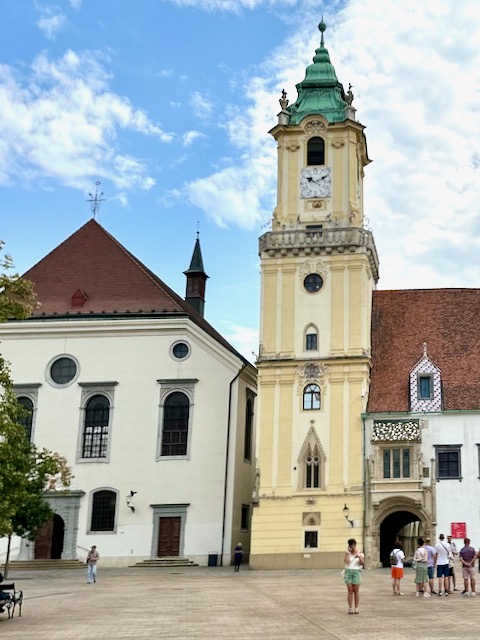
Bratislava’s center is home to multiple historic monuments and cultural institutions, including the Old Town Hall — a complex of three Gothic buildings from the 14th and 15th centuries and the oldest town hall in Slovakia — along with the historic Slovak National Theatre and Michael’s Gate, the only surviving gate from the city’s medieval fortifications.
PRO TIP: GPSmyCity is a free, offline tour guide app worth downloading before you leave your accommodation. It covers all the major Old Town landmarks at a pace you set yourself — a solid companion for a self-guided morning.
Primate’s Palace
We stopped into the Primate’s Palace (also known as Primaciálny palác) for a quick visit. The palace is often regarded as the most beautiful building in Bratislava, thanks to its pale pink-and-white neoclassical exterior and gilded roof. The palace is famous for its lavish interiors: huge oil portraits of Habsburg royalty, sparkling crystal chandeliers, and a remarkable set of 17th-century English tapestries.
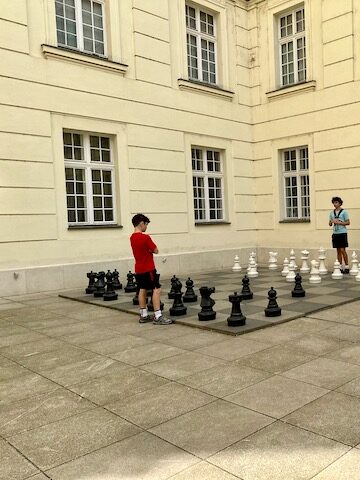
We even discovered a quiet courtyard with an oversized chess set, allowing the boys to play a quick match — an unexpected find near a 240-year-old palace.
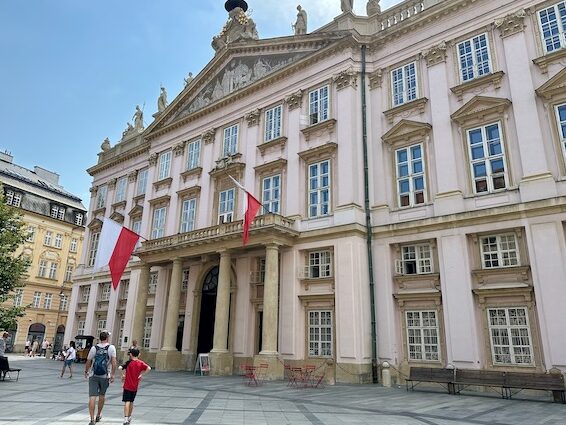
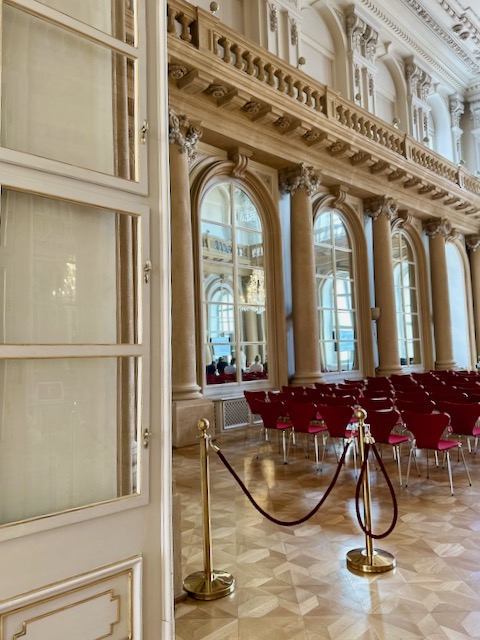
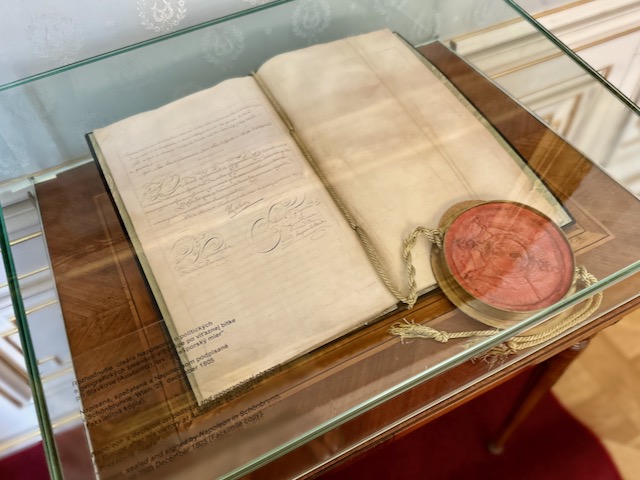
The Hall of Mirrors, where the Peace Treaty of Pressburg was signed in 1805 between France and Austria after Napoleon’s victory at Austerlitz, is considered the highlight of the tour. The actual treaty document is displayed under glass in an adjacent room, and standing a foot away from something that effectively dismantled the Holy Roman Empire is a genuinely strange feeling. Unfortunately, a meeting was in progress during our visit, so we could only peek in from the doorway.
PRO TIP: The Primate’s Palace is open to visitors, and admission is very affordable. Don’t skip the interior — the Hall of Mirrors, the English tapestries, the treaty document. Look for the pink facade on Primaciálne Square, just off the main Hlavné námestie.
The UFO Bridge
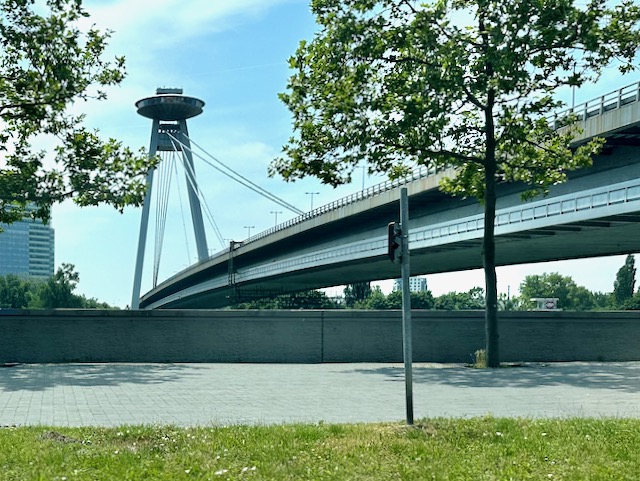
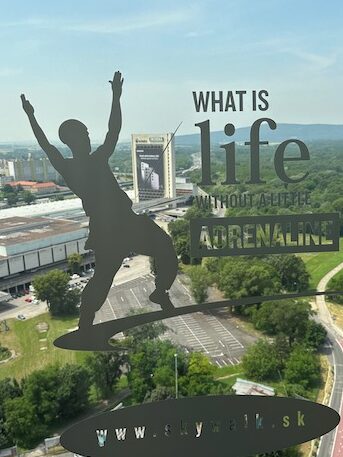
Next, we set off to see Bratislava’s most unique landmark — the SNP Bridge, more commonly known as the UFO Bridge. Spanning the Danube, it holds the record as the world’s longest bridge with only one pylon and one cable-stayed span. The designers didn’t intend for the tower to resemble a flying saucer, but its likeness made it famous. It’s also a proud member of the World Federation of Great Towers, alongside the Eiffel Tower, the Space Needle, and the Empire State Building. The UFO-shaped pylon stands 95 meters tall and houses an observation deck and upscale restaurant. The 360-degree panoramas over the Danube, Bratislava Castle, and the Old Town are spectacular — and the burgers are out of this world.
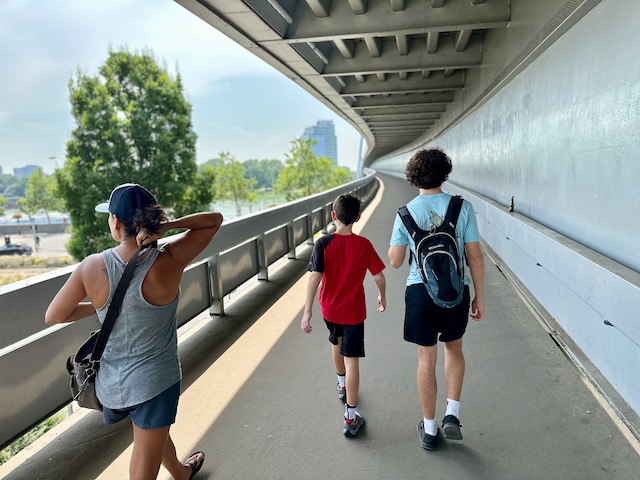
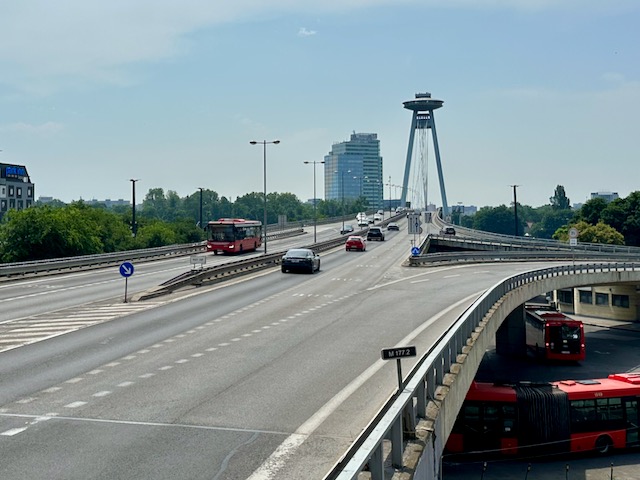
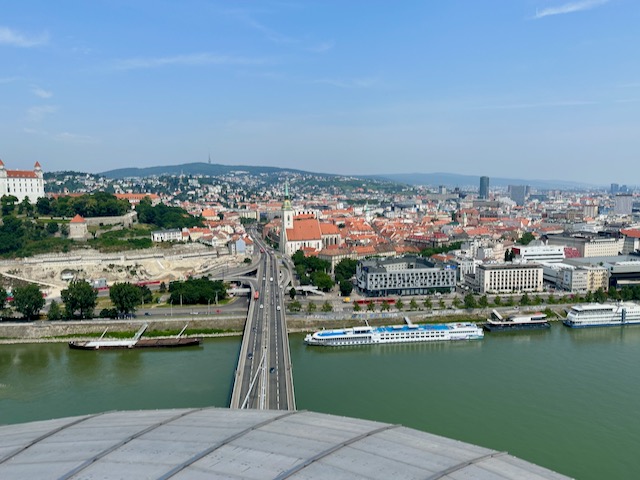
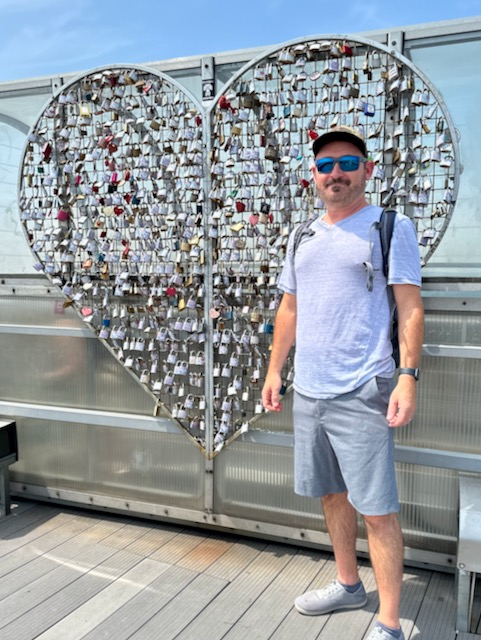
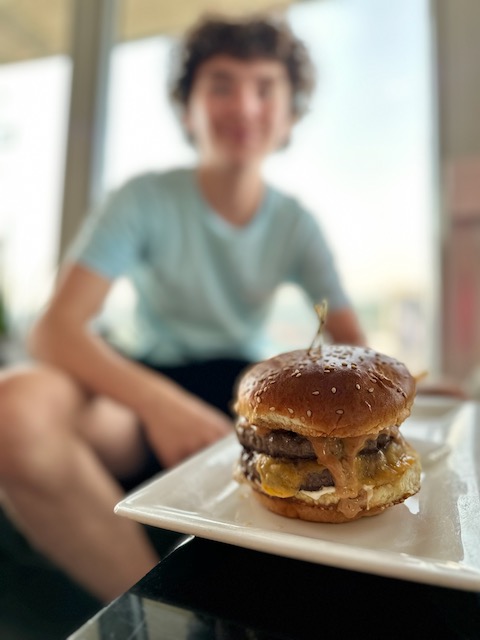
PRO TIP: Walking across the SNP Bridge is free. The UFO observation deck charges an entry fee, but it’s redeemable against food or drink at the restaurant up top — order a meal and effectively get the view for free. Sunset from the platform is spectacular.
Bridge to Beer — Park to Pivovar
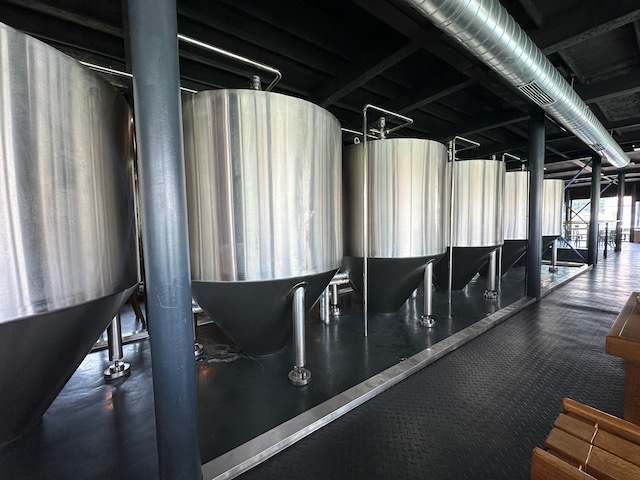
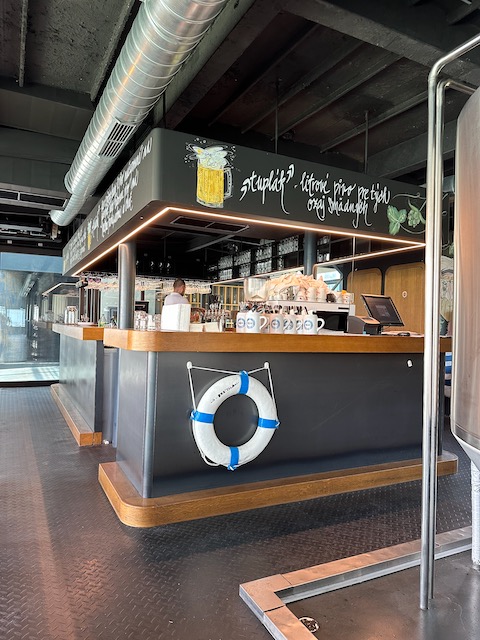
From the UFO Bridge, we headed downriver to visit another of Bratislava’s unique destinations: Dunajsky Pivovar, a boat-hotel and brewery docked on the bank of the Danube. I typically look for local beer options while planning our itineraries, and this place was intriguing — a brewery on a boat would definitely be a first.
Sad Janka Kráľa Park
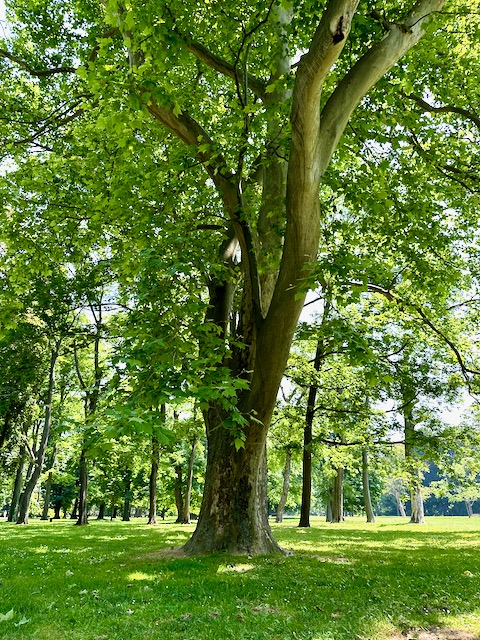
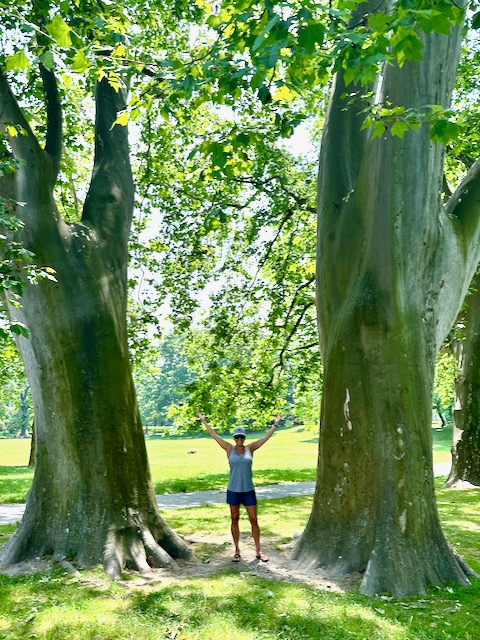
Walking from the UFO Bridge allowed us to explore Sad Janka Kráľa Park, one of the oldest parks in Central Europe, where we saw several exotic tree species, including bilobed ginkgo, orange maclura, and Chinese redwood, some estimated to be 200 years old.
Dunajsky Pivovar
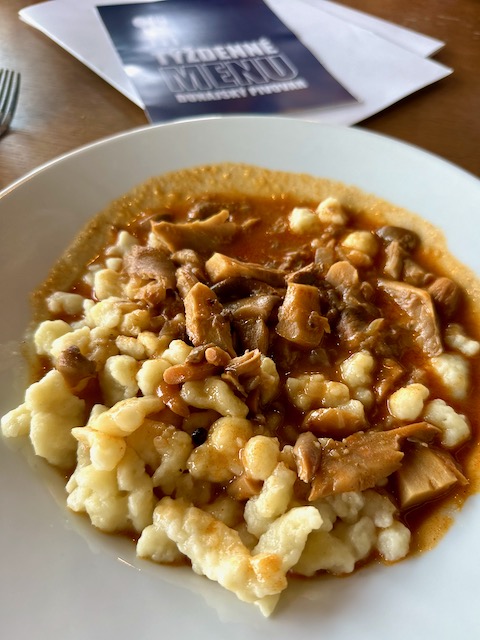
Entering Dunajsky Pivovar, we were immediately impressed by the size of the brewhouse — a hefty amount of equipment to be floating on a river. The brewery is also a full-service restaurant, offering traditional cuisine alongside its craft beer options. We shared roasted chicken with mashed potatoes and a vegetarian dish of beans, mushrooms, and potato dumplings. Both dishes were delicious and paired perfectly with our amber ales — but the highlight of dining at Dunajsky Pivovar is the view of the city from the river.
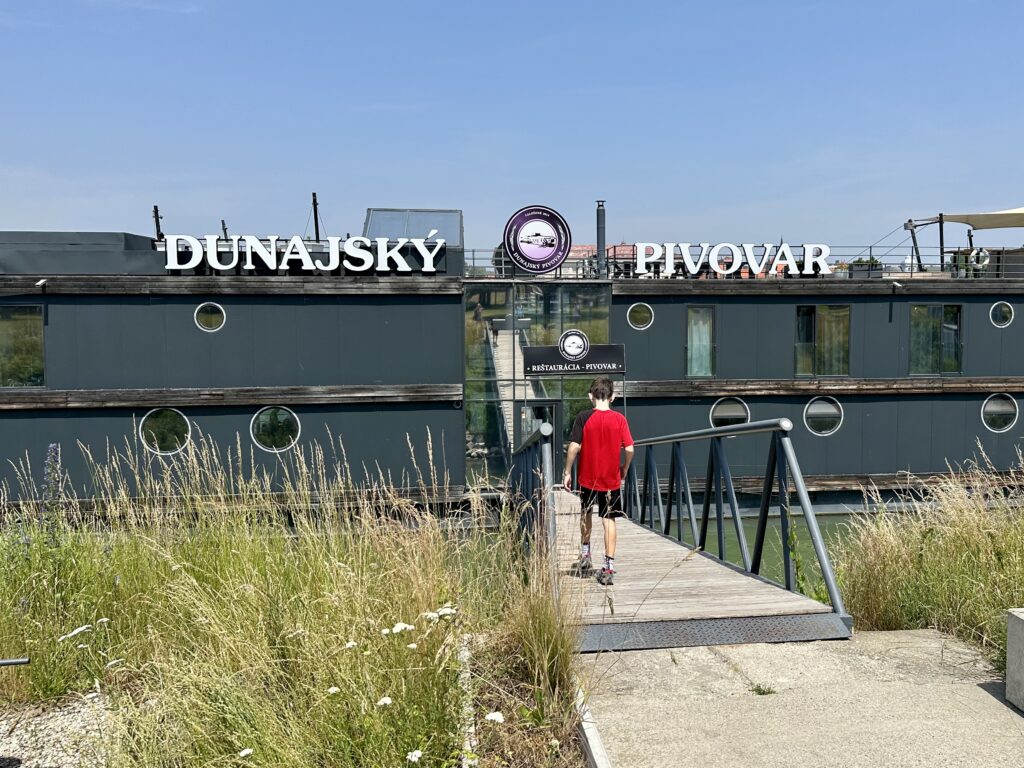
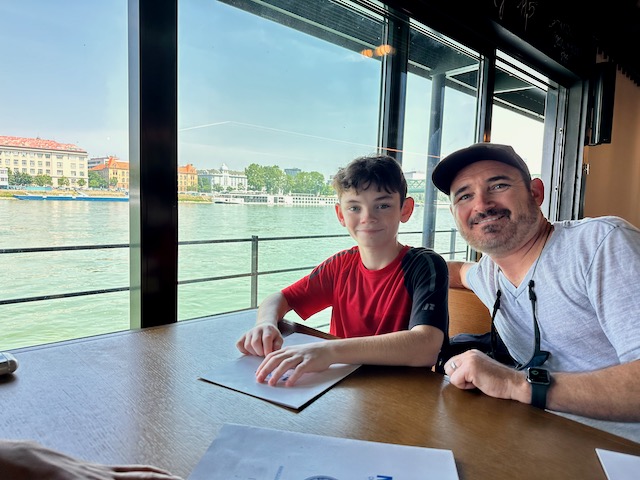
PRO TIP: Dunajsky Pivovar is docked on the Danube embankment south of the Old Town, walkable from the SNP Bridge through Sad Janka Kráľa Park. Make a reservation for dinner. Order the house amber ale and request a window table if you can — the city views from the water are worth it.
Home Via the Old Bridge
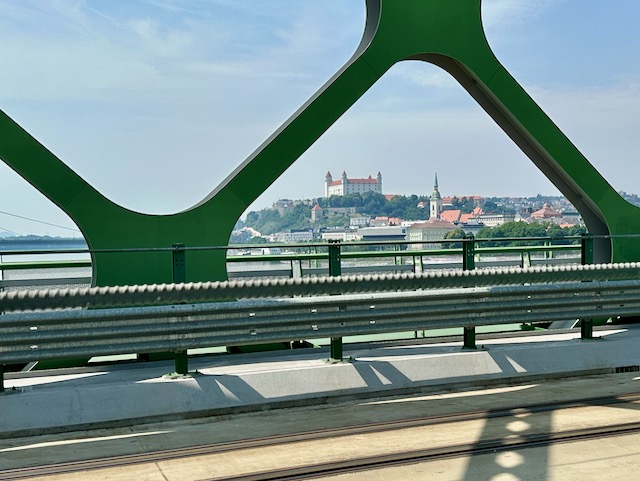
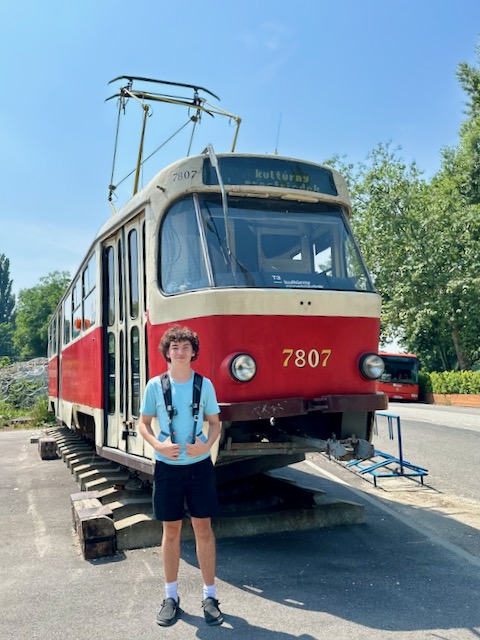
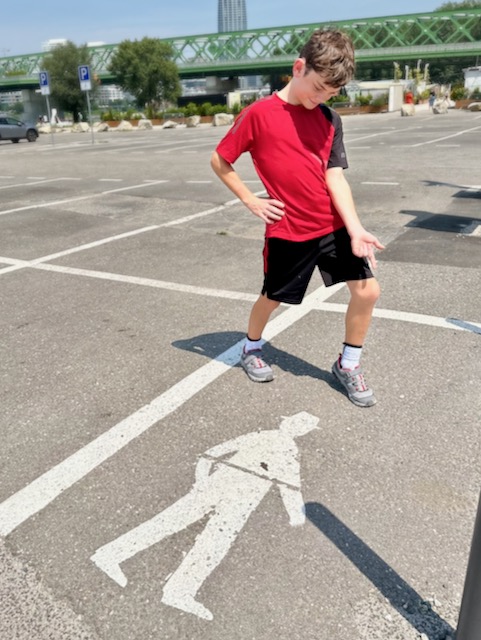
With full bellies and rested legs, we made our way back to our Airbnb, choosing to cross the Danube via the Old Bridge for a different route. The Old Bridge is a symbol of the historical connection between the two sides of the river and played an essential role in facilitating commerce and cultural exchange. Although it’s still called the “Old Bridge,” much of it was rebuilt after WWII due to significant damage from Allied bombing — and unfortunately, the redesign abandoned most of its original charm. Still, the alternate route back offered a few fun and unexpected sights.
Is Slovakia a Wine Country?
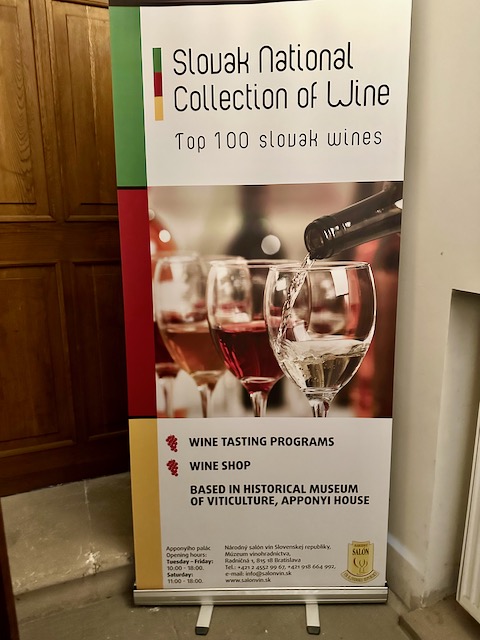
We didn’t know this before our trip, but we learned that Slovakia is respected as one of Europe’s smaller wine-producing nations, producing approximately 40 million liters of wine annually. There are 22,000 hectares of vineyards spread across six central regions, with vineyards in the southern Little Carpathians near Bratislava standing out. So it’s no surprise the Slovak National Collection of Wines is in the city. (It’s also no surprise that it was a five-minute walk from our Airbnb. I planned that.)
National Wine Museum
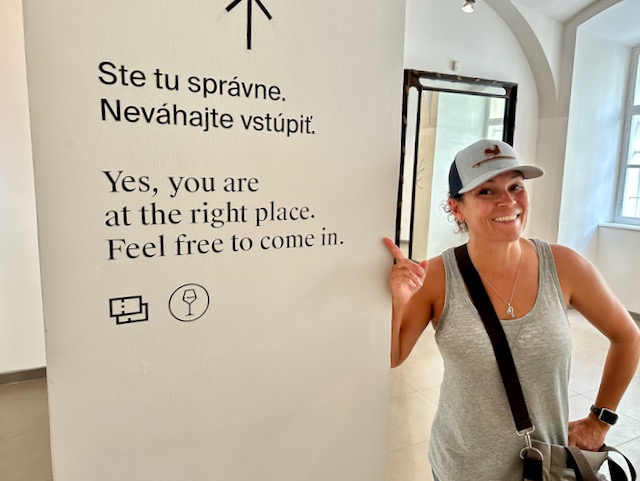
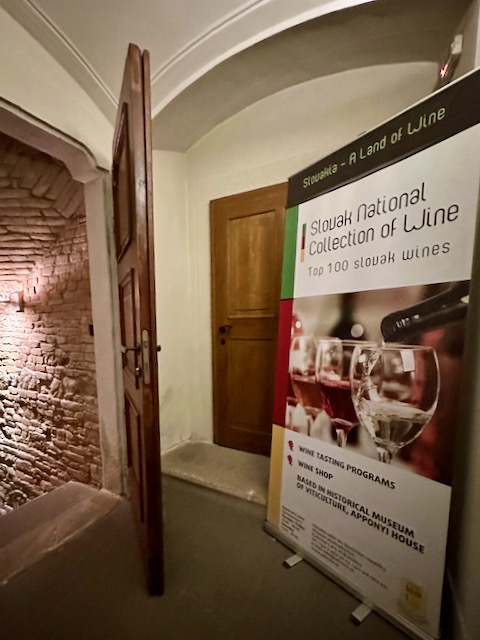
The Slovak National Collection of Wine and Museum is located in the cellar of Apponyi Palace, next to the Old Town Hall. The entrance is a little unassuming. We must not be the only patrons who were a little weary, because there is a very gracious sign nearby assuring visitors they’re “in the right place.” The wine collection is open for tours and offers limitless tastings for 100 minutes! You can walk through three rooms full of wines from different varieties grown across the country, pouring your own samples — it’s an incredible opportunity.
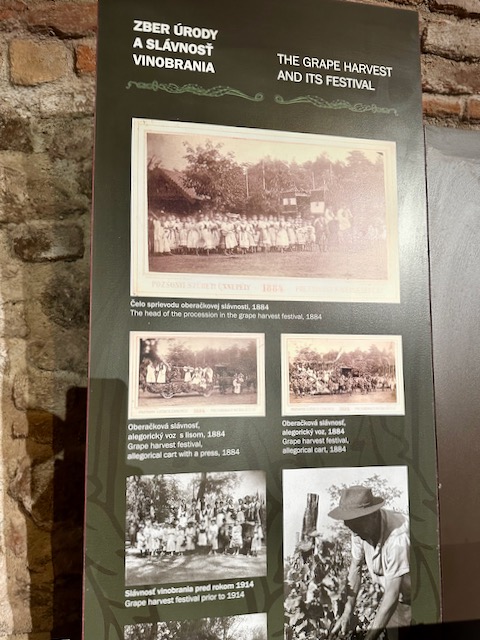
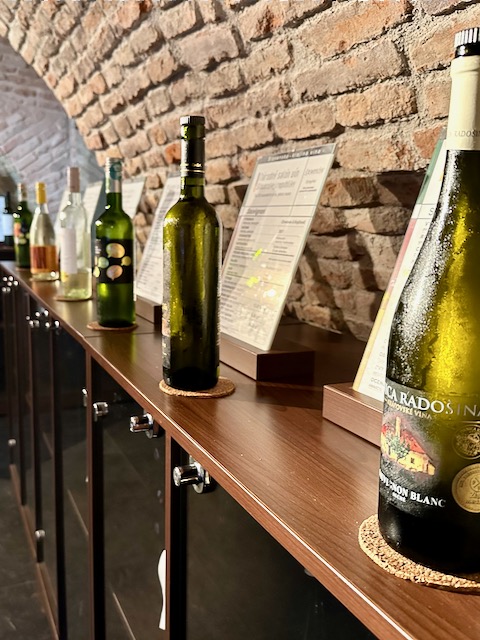
We were surprised to find that we were the only guests there when we arrived for our reservation. (Another reminder that Bratislava remains off the radar for many tourists.) The entrance features a small museum showcasing the history of winemaking throughout the country. As you move through the exhibition rooms, you transition from lighter white grape varieties to full-bodied red wines. A basket of bread is included with your tasting glass to cleanse the palate between samples.
No Bad Wines in Slovakia?
We lost count of how many wines we tasted, but agreed we never had a bad one. Slovak wines may not be well-known internationally, but they are very well-made. After all the walking we did during the day, our boys were glad to skip this part of the itinerary and stay in the apartment.
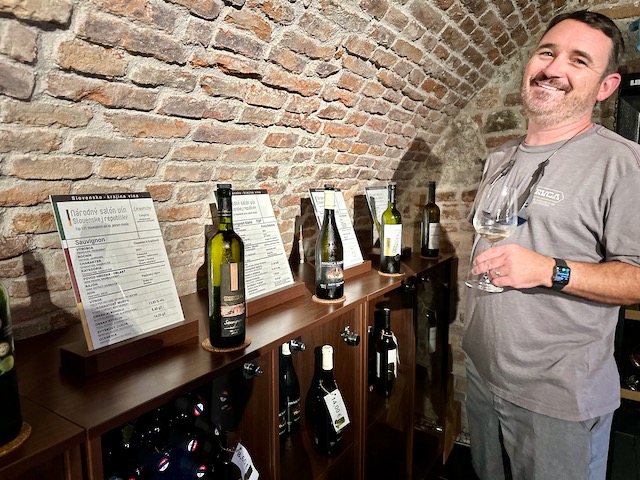
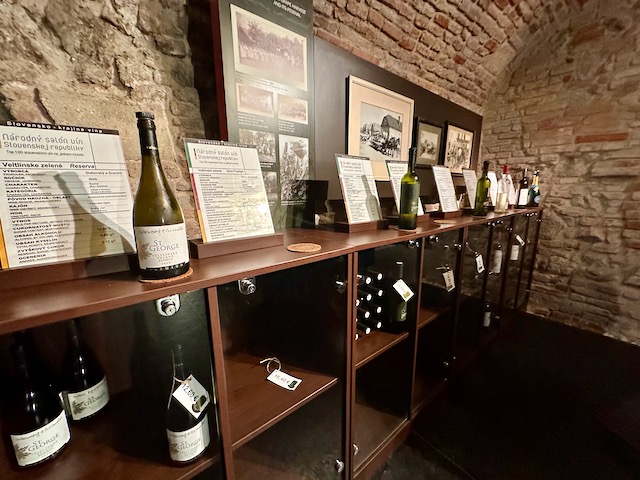
PRO TIP: Book a reservation in advance — though we were the only ones there, availability isn’t guaranteed. The 100-minute unlimited tasting format is exceptional value. Located in Apponyi Palace on Radničná Street, right next to the Old Town Hall. The cellar is cool even in summer, so bring a light layer.
Bratislava Day 3
Wake Lake
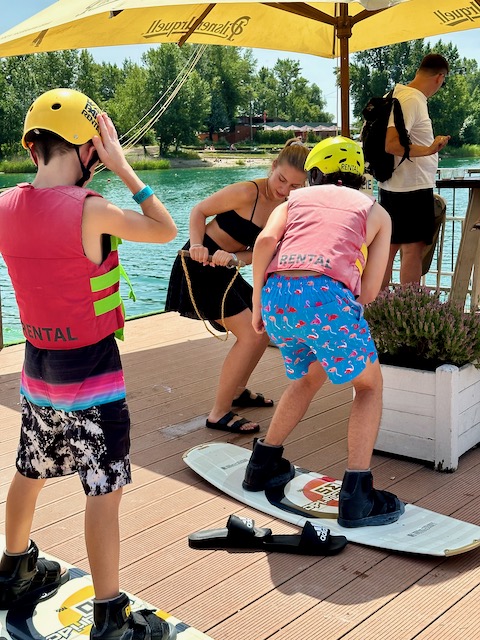
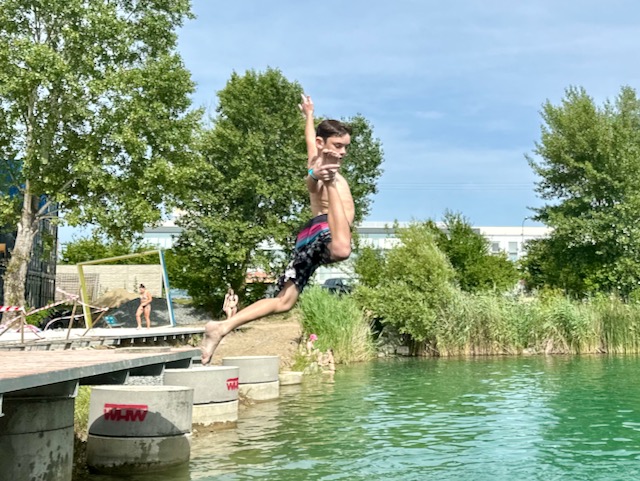
Over the years, we have learned that city-sightseeing over multiple days can burn out our kids. To prevent this, I incorporate alternative activities into our itineraries. In this case, we were already a week into our travels, almost exclusively in major cities. So on our eighth day, I gave the boys the option of a day trip to Vienna, Austria, or spending the day at a wakeboarding park in Bratislava. Their choice was no surprise.
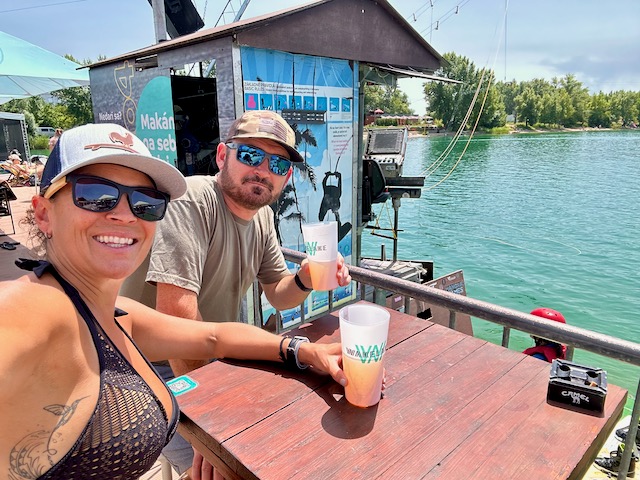
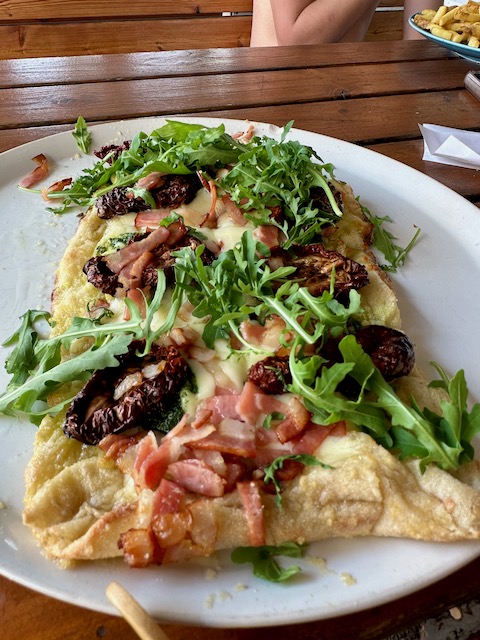
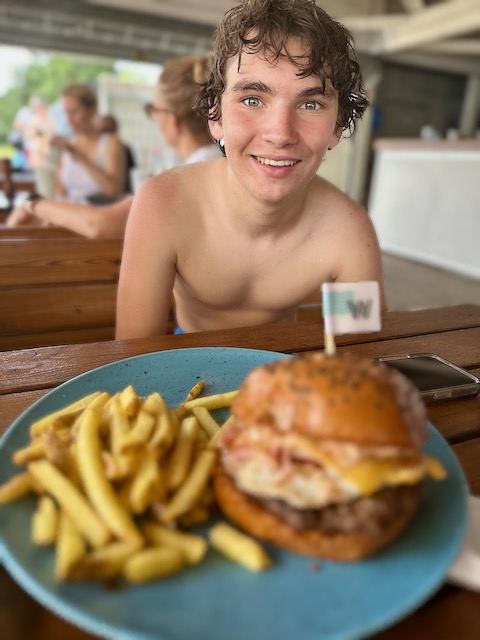
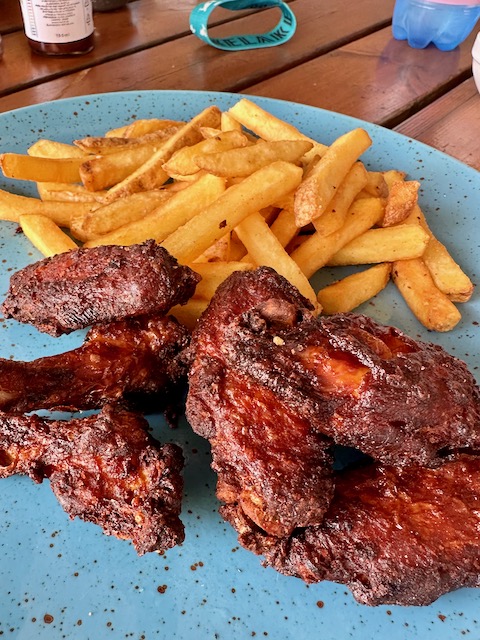
Wake Lake, located about 30 minutes outside of the city on Lake Zlaté Piesky, offers cable-pulled wakeboarding, paddleboarding, swimming, lounging, sports fields, an outdoor gym, a restaurant and bar, and a concert venue — literally everything possible to relish an incredible summer day. Entry to Wake Lake is free, but the cost of enjoying the park’s many activities and amenities varies by visitor. All activities are priced separately, so the cost depends on what you choose.
Family Favorite
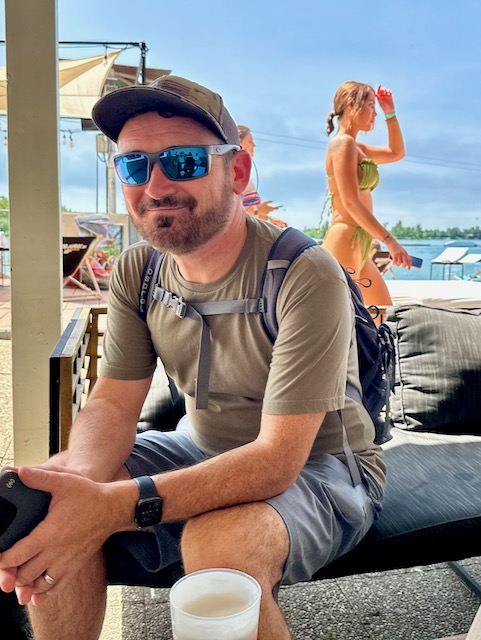
Wake Lake was easily one of the kids’ favorite activities during our trip, and honestly, it was nice to take a vacation from vacation. We travel hard to make the most of our time and see it all, but it is exhausting. A lake day was perfect. And as an honest side note, the park was filled with seemingly genetically perfect people. We’ve never seen so many beautiful humans in one place in all of our world travels… just an observation.
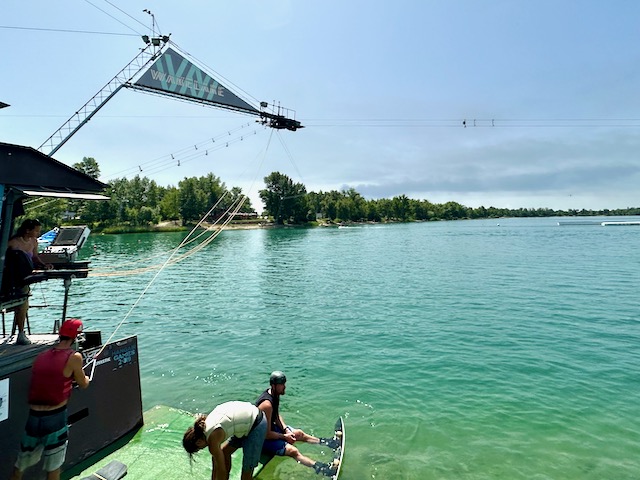
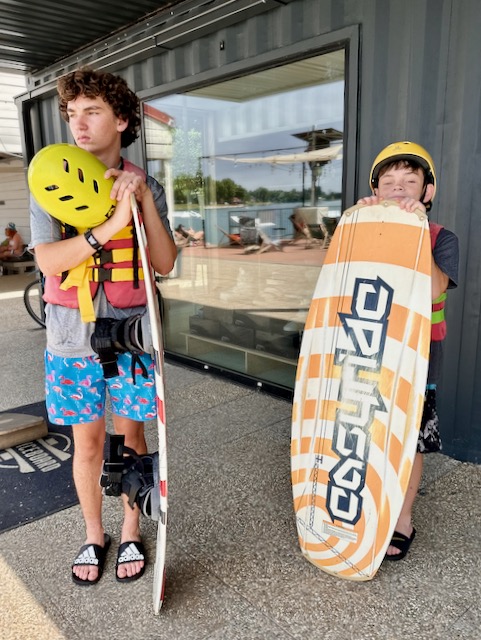
PRO TIP: Wake Lake at Zlaté Piesky is about 30 minutes from Bratislava by public transit or car. Entry is free; pricing is separate for wakeboarding, paddleboarding, and equipment rentals. Go on a weekday if you can — weekends draw local crowds. A perfect half-day option if you’re traveling with kids or just need a break from cobblestones.
Final Thoughts
Bratislava was one of the most pleasant surprises of our entire Epic Europe 2.0 Eastern European trip. We arrived expecting very little and left with one of our favorite stops of the journey — a city full of character at every level. Bronze men in the pavement, disco bathrooms, Napoleon on a park bench, a 220-year-old peace treaty under glass, unlimited Slovak wine in a palace cellar, and a brewery floating on the Danube. It’s affordable, walkable, and genuinely surprising in ways that more famous cities rarely manage anymore.
Go to Bratislava before everyone else figures it out.
 Epic Europe 2.0: Berlin to Dubrovnik in 3 Weeks